



Quillin Figure 8 of Traditional foal halter - which is right
Foal Halters: Traditional vs. Figure-8 Style – Which is Right for Your New Foal?
When it comes to haltering young horses, choosing the right style can make all the difference in safety, comfort, and training success. At Quillin Leather & Tack, we've been crafting custom halters for over 44 years, and one question we hear regularly from breeders and horse owners is: "Should I use a traditional halter or a figure-8 on my foal?"
Both styles have their place in the barn, but understanding the differences will help you make the best choice for your situation.
What is a Traditional Foal Halter?

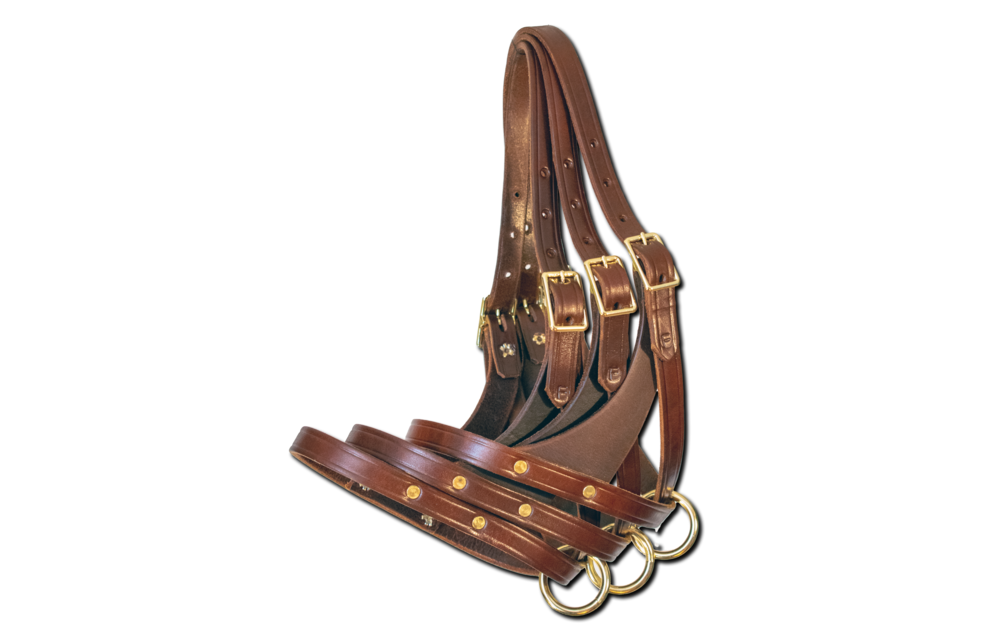
A traditional foal halter follows the same basic design as an adult horse halter, just scaled down to fit a smaller head. It features:
- A noseband that encircles the muzzle
- A crown piece that goes over the poll (top of the head)
- Cheekpieces connecting the noseband to the crown piece
- A throat latch that buckles under the jaw
Traditional halters are what most people picture when they think of a horse halter. They're straightforward, familiar, and offer solid control points for leading and handling.
Best for: Foals being actively handled and led regularly, older weanlings transitioning to yearling-sized equipment, and situations where you need secure attachment points for cross-ties or veterinary procedures.
What is a Figure-8 Foal Halter?

A figure-8 halter (sometimes called an "Arabian-style" or "safety halter") has a distinctly different design. Instead of a separate noseband, the leather forms a figure-8 pattern:
- One loop circles behind the ears and over the poll
- The other loop crosses over the nose
- The two loops intersect at the cheekpieces
- Usually features a single buckle adjustment point
The figure-8 design creates less bulk on a foal's delicate face and distributes pressure differently than a traditional halter.
Best for: Newborn foals, horses with sensitive or narrow faces, situations where you want minimal hardware on the head, and owners who prioritize a streamlined appearance.
Key Differences That Matter
Safety Considerations
Traditional halters provide more defined control points but can create pressure points if not properly fitted. They're less likely to slip off an active foal who's testing boundaries.
Figure-8 halters have fewer buckles and less hardware, which means fewer potential catch points. However, the single adjustment point means they must be fitted carefully to avoid being too loose or too tight.
Fit and Adjustability
Traditional halters typically offer adjustment at the crownpiece and sometimes at the noseband, allowing you to fine-tune the fit as your foal grows. This can extend the useful life of the halter.
Figure-8 halters usually adjust at a single point, which makes them simpler but potentially less adaptable to rapid growth spurts that foals experience in their first months.
Training and Handling
Traditional halters provide clearer pressure cues when teaching a foal to lead, as the noseband and crownpiece work independently. This can be advantageous for early training.
Figure-8 halters distribute pressure more evenly across the face, which some handlers prefer for very young or sensitive foals who are just learning about being haltered.

Appearance
Traditional halters offer a classic look and can showcase decorative elements like nameplate designs and fancy stitching across broader surface areas.
Figure-8 halters have a sleek, streamlined appearance that many Arabian and fine-featured breed enthusiasts prefer. The minimal design puts the focus on the horse's head rather than the equipment.
The Quillin Perspective: What We Recommend
After crafting over 17,000 custom halters annually using techniques passed down through generations, here's what we've learned:
For newborn to 3-month-old foals: A properly fitted figure-8 can be ideal for those first precious weeks. The reduced bulk accommodates their delicate features, and the simpler design means less hardware near sensitive areas.
For weanlings and foals in active training: A traditional halter often works better. As foals become more active and begin serious halter training, the defined pressure points and adjustability of a traditional design provide clearer communication and more reliable fit.
For show or special occasions: Consider your breed standards and personal aesthetic preferences. Some breed registries have traditional preferences for certain styles.
The Most Important Factor: Proper Fit
Regardless of which style you choose, fit is everything. A poorly fitted figure-8 is no safer than a poorly fitted traditional halter, and vice versa. Here's what to check:
- Noseband position: Should sit about two fingers' width below the prominent cheekbone
- Throatlatch: Should allow three to four fingers between the strap and the jaw
- Crown adjustment: Should not pull the cheekpieces into the eyes or allow the halter to slide around
- Overall snugness: Secure enough not to slip off, loose enough not to rub or restrict breathing
Remember, foals grow incredibly fast in their first year. Check the fit weekly during growth spurts.
Custom Craftsmanship Makes the Difference
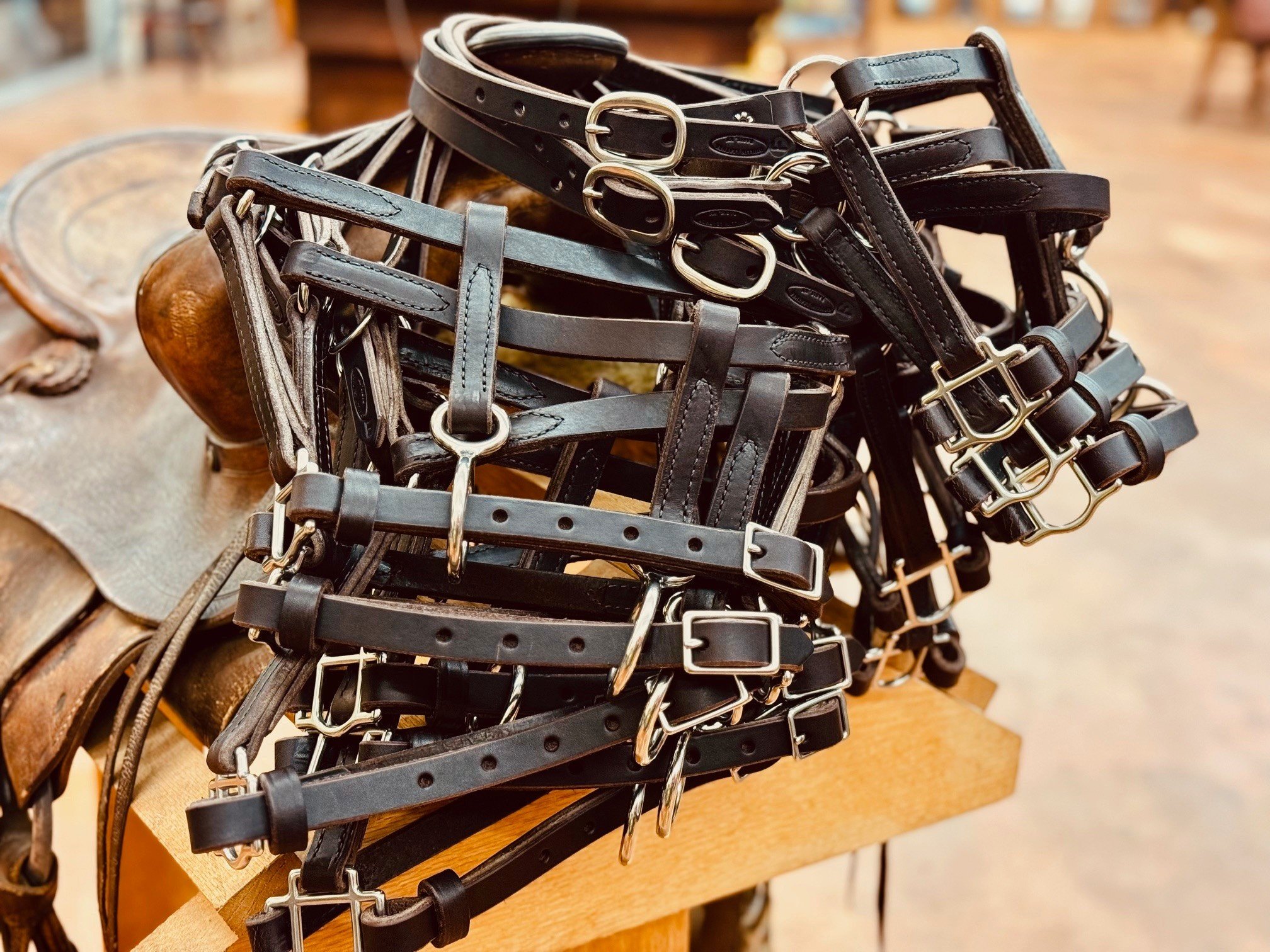
At Quillin Leather & Tack, every halter we produce – whether traditional or figure-8 – is handcrafted right here in Paris, Kentucky, using the same techniques and equipment we've relied on since 1982. Our craftsmen understand that a foal halter isn't just about restraint; it's about building trust and ensuring safety during those crucial early months.
We use premium leather that softens with use but maintains its integrity, brass hardware that won't corrode or break under pressure, and stitching done on century-old Campbell stitcher machines that create seams stronger than the leather itself.
The Bottom Line
There's no single "right" answer to the traditional vs. figure-8 debate. The best choice depends on your foal's temperament, your handling style, and your specific needs. Many experienced horse people keep both styles on hand, using figure-8 halters for newborns and transitioning to traditional designs as foals mature.
What matters most is choosing quality craftsmanship, ensuring proper fit, and checking that fit regularly as your youngster grows.
Questions about which halter style is right for your foal? email [email protected] or give us a call at 859-987-0215. Our craftsmen have fitted thousands of foals over the decades and can help you make the best choice for your situation. Visit Quillin.com to see our full range of custom foal halters, or stop by our Paris, Kentucky Main Street shop to see the craftsmanship firsthand.