
The Cost of Quality
The Price of Authenticity: Why We Won't Compromise on Quality
The leather industry is facing a perfect storm. Raw hide prices have climbed steadily over the past two years, driven by reduced cattle herds and increased global demand. Solid brass hardware—the kind that won't tarnish, corrode, or fail when your horse pulls back—has seen similar increases as commodity markets fluctuate and quality suppliers become harder to find.
We could respond the way many manufacturers have: switch to cheaper leather, use plated hardware instead of solid brass, move production overseas, or automate the process. We could probably cut our costs by forty percent overnight.
We won't.
Forty-Three Years on Main Street
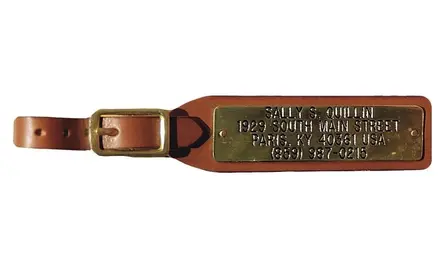
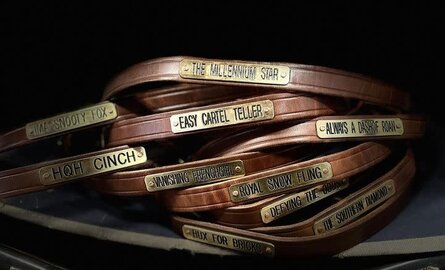
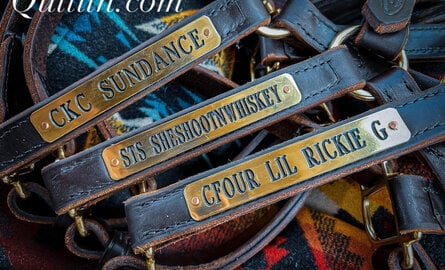
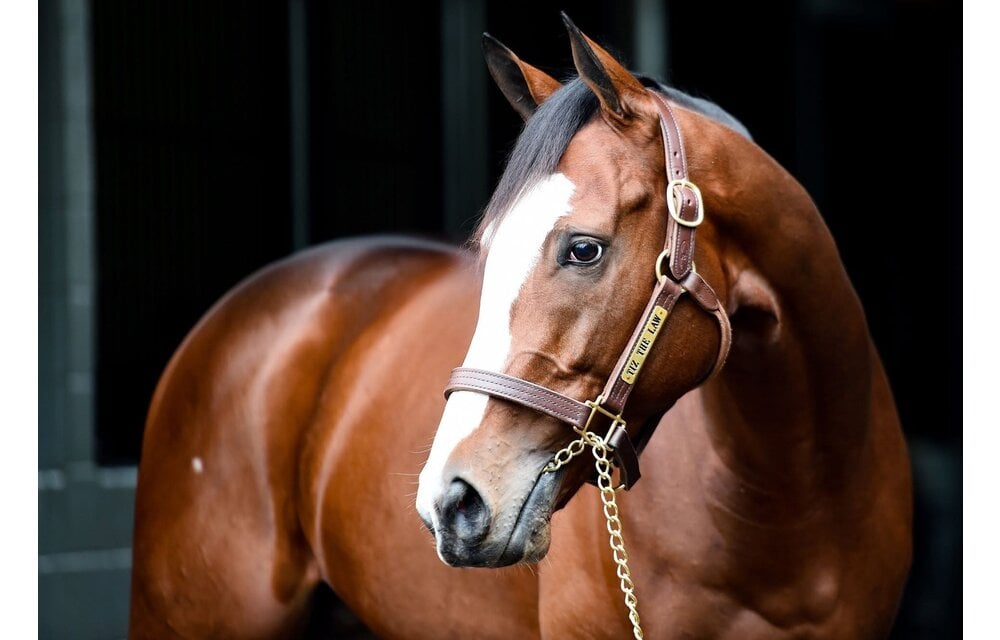
Since 1982, Quillin Leather & Tack has operated on a simple principle: make things the right way, with the right materials, or don't make them at all. That's not marketing talk—it's why we still use the same Campbell stitcher machines that have been running in our shop for decades. It's why our sixteen craftsmen work with premium hand selected bridle leather and solid brass hardware. It's why every one of our 17,000+ halters produced each year is handcrafted in Paris, Kentucky, not stamped out in a factory halfway around the world.
When material costs rise, we have a choice. We can maintain our standards and adjust our pricing honestly, or we can quietly downgrade our materials and hope no one notices. The first option is harder. The second option isn't an option at all.
The Hidden Cost of "Good Enough"
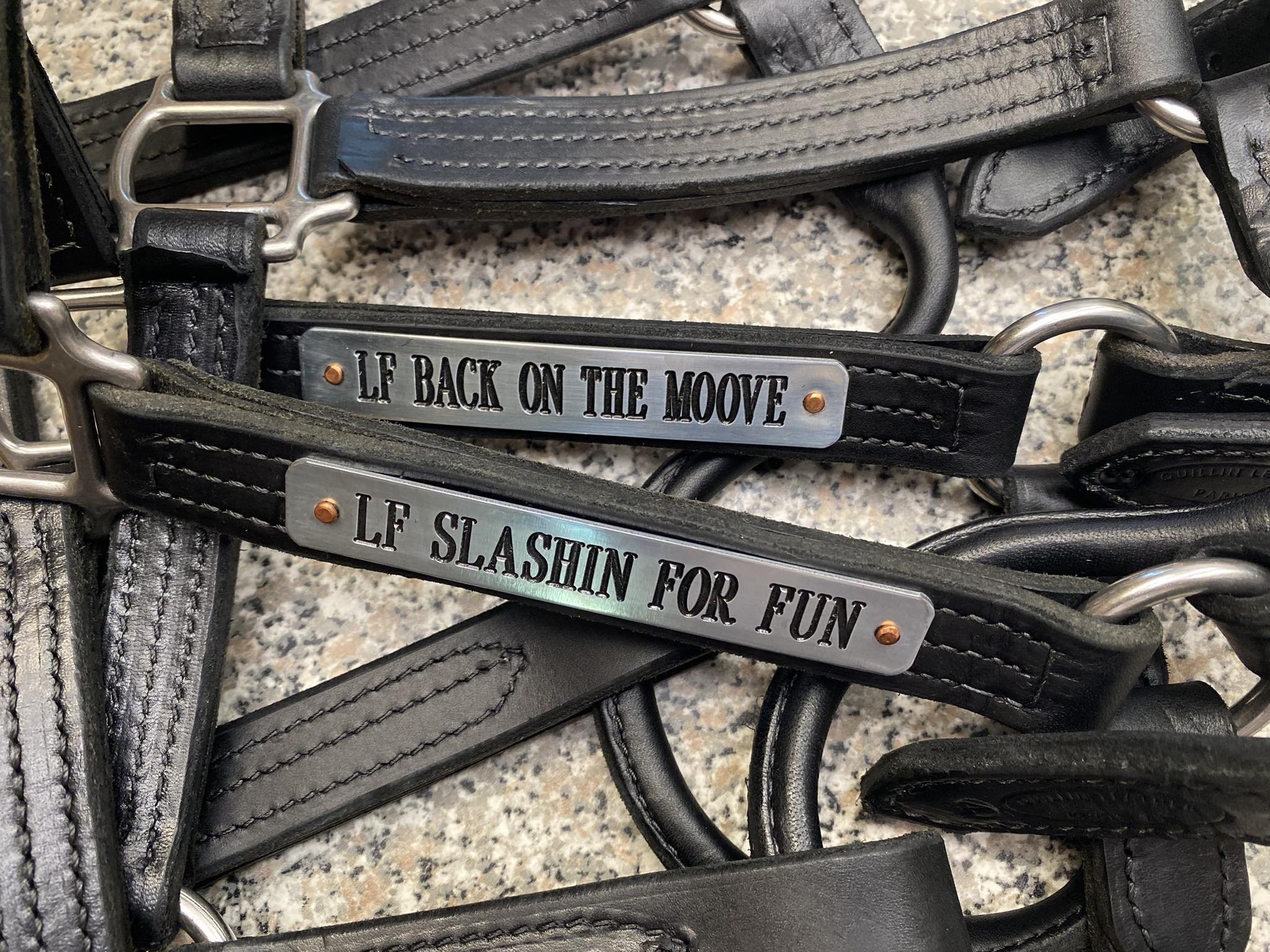
Mass-produced leather goods flood the market because they're cheap to make. Thin leather that'll crack within a season. Plated hardware that looks fine in the catalog but corrodes in six months of Kentucky weather. Machine-automated stitching that's fast but fails under stress.
These products exist because they photograph well and ship for less. They don't exist because they work better or last longer. They exist because somewhere along the line, someone decided that "good enough" was actually good enough.
It's not.
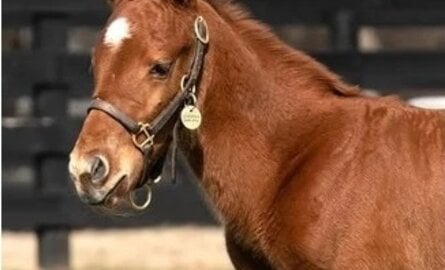
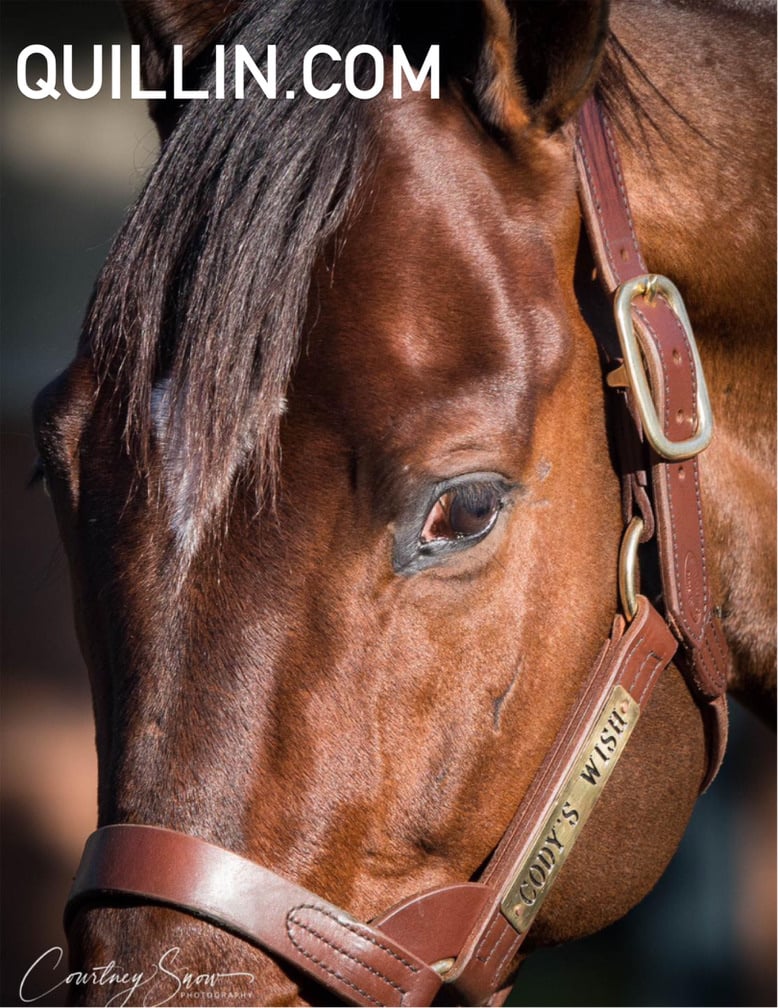
A halter isn't decoration. It's the primary point of contact between handler and horse, sometimes in situations where safety depends on reliability. When you're leading a nervous thoroughbred through a crowded barn, you need leather that won't stretch or tear and hardware that won't snap or slip. You need equipment built by people who understand what happens when gear fails.
What You're Actually Paying For
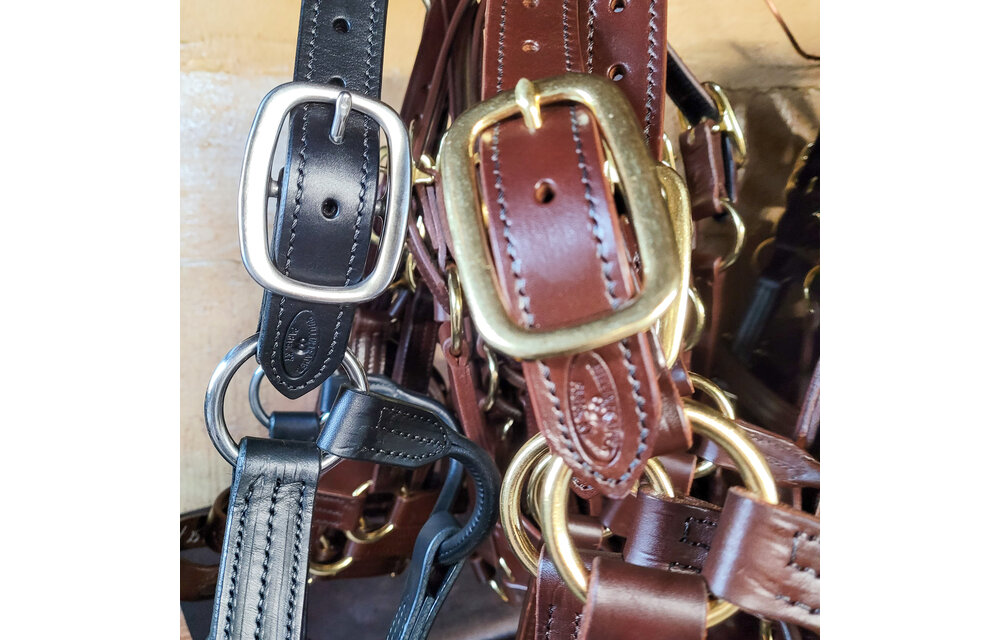
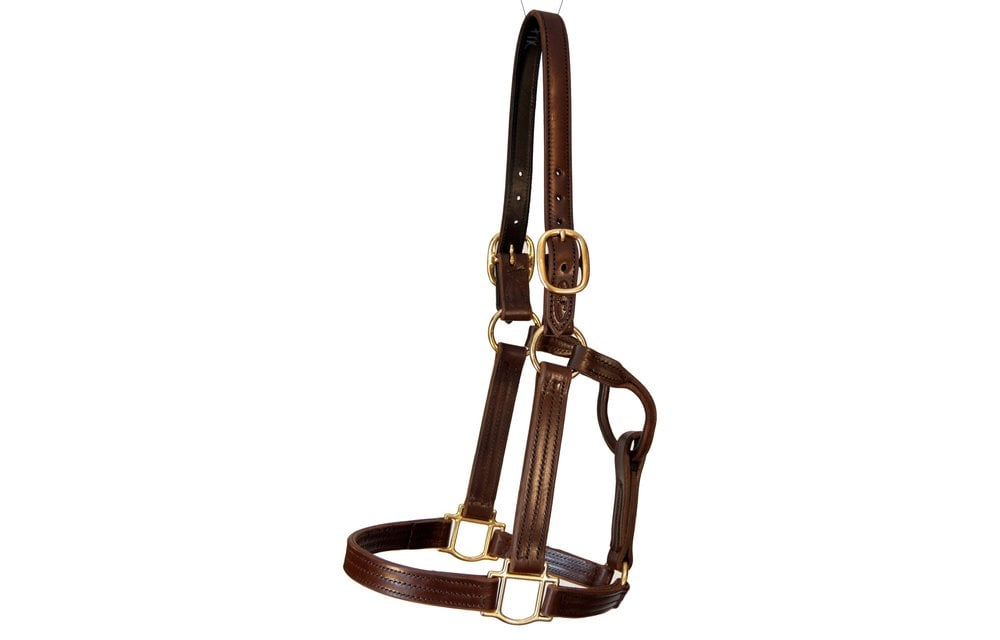
When you buy from Quillin, you're paying for hand selected English finished bridle leather—the same tannery-quality material that's been the standard for premium leather goods for over a century. You're paying for solid brass hardware that weighs more and costs more because it's actually brass all the way through. You're paying for craftsmen who've spent years learning to cut, skive, and stitch leather the traditional way.
You're also paying for something less tangible but equally important: accountability. When we put our name on a halter, we're making a promise. If it fails because of workmanship or materials, we want to know about it. That promise gets harder to keep when you're racing to the bottom on price.
Our Commitment Going Forward
Yes, our prices reflect current material costs. We won't pretend otherwise. But they also reflect our absolute commitment to maintaining the standards that have defined Quillin Leather & Tack for over four decades.
We won't switch to inferior leather to preserve margins. We won't substitute plated hardware and hope you don't notice the difference. We won't offshore production or automate away the handwork that makes our products distinctive. We won't become another source of disposable gear in an industry that already has too many shortcuts.
The thoroughbred industry was built on integrity, craftsmanship, and genuine quality. We're still building on Main Street in Paris, Kentucky, the same way we started in 1982—with skilled hands, premium materials, and an old-fashioned belief that things should be made to last.
That's what you're buying when you choose Quillin. Not the cheapest halter available, but the best one we know how to make.
Donna and Ralph Quillin
Handcrafted in Paris, Kentucky since 1982
quillin.com