

Quality and Quillin Leather
The Price of Doing It Right
Material costs have gone up, and so have our prices. Here’s why we chose that over the alternative.
Raw hide prices have climbed for two years as cattle herds shrink and global demand grows. Solid brass hardware has followed. That’s the kind that won’t tarnish, corrode or give way when a horse pulls back, and good suppliers for it are getting harder to find.
There’s an easy way out. We could switch to cheaper leather, use plated hardware instead of solid brass, or send the work overseas. We could probably cut our costs by forty percent overnight.
Forty-Four Years on Main Street
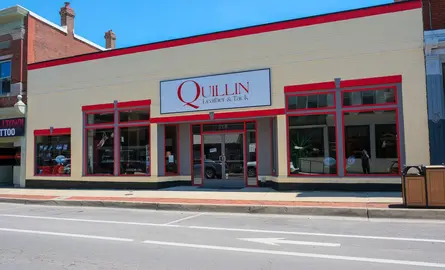
Quillin Leather & Tack started in a Bourbon County tobacco stripping room. The rule hasn’t changed since: make it right, with the right materials, or don’t make it. In 1982 we moved into the first of five Main Street storefronts in downtown Paris, Kentucky.
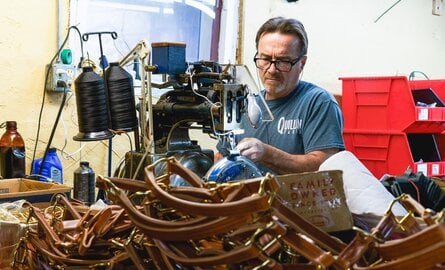
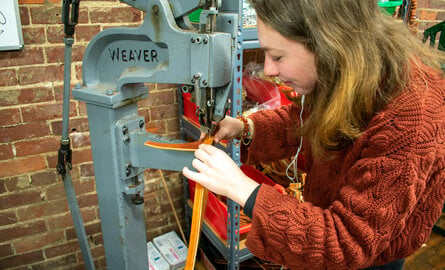
That’s why our sixteen craftsmen still work at the same Campbell stitchers that have run in our shop for decades. It’s why we use hand-selected English finished bridle leather and solid brass hardware. And it’s why every one of the 17,000-plus halters we make each year is cut, stitched and finished by hand in Paris, Kentucky.
When costs rise, we have two options. We can hold our standards and price honestly, or we can quietly downgrade and hope nobody notices. Only one of those is a choice we can live with.
Why “Good Enough” Isn’t
Cheap tack is everywhere because it’s cheap to make. The leather is thin and cracks in a season. The plated hardware looks fine in a catalog and pits after six months of Kentucky weather. The stitching is fast, and it gives out under stress. Gear like that photographs well and ships cheap, but it doesn’t last.
| Quillin halter | “Good enough” tack | |
|---|---|---|
| Leather | ✓Hand-selected English finished bridle leather | ✕Thin; cracks in a season |
| Hardware | ✓Solid brass, all the way through | ✕Plated; pits within months |
| Stitching | ✓Campbell stitchers, by hand | ✕Fast; gives out under stress |
| Made | ✓Paris, Kentucky | ✕Wherever is cheapest |
| Backed by | ✓Our name, since 1982 | ✕A return label, maybe |
A halter isn’t decoration. It connects you to your horse, and sometimes safety depends on it. When you’re leading a nervous yearling through a crowded barn, you need leather that won’t stretch or tear and hardware that won’t snap. You need gear made by people who know what happens when it fails.
What You’re Paying For
English Bridle
The standard for fine leather goods for more than a century.
Solid Brass
Heavier and pricier, because it’s brass all the way through.
Skilled Hands
Craftsmen trained for years to cut, skive and stitch the traditional way.
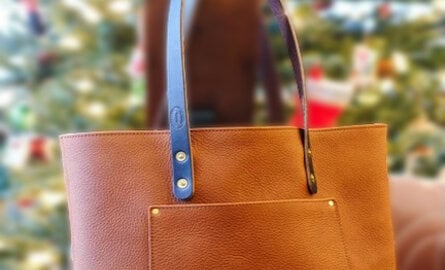
You’re paying for English finished bridle leather, the standard for fine leather goods for more than a century. You’re paying for solid brass, which is heavier and costs more because it’s brass all the way through. And you’re paying for craftsmen who’ve spent years learning to cut, skive and stitch the traditional way.
You’re also paying for our name. When we put it on a halter, we stand behind it. If one fails because of our materials or workmanship, we want to hear about it (859-987-0215).
Our Promise
- We won’t trade down on leather to protect our margins.
- We won’t swap in plated hardware.
- We won’t send the work overseas or automate away the hands that make it ours.
The thoroughbred industry was built on integrity and craftsmanship. We’re still building that way on Main Street, the same as in 1982.
It’s not the cheapest halter you can buy.
It’s the best one we know how to make.
See it for yourself
Browse halters, lead shanks, collars and more, or stop by the shop on Main Street and watch the Campbell stitchers run.