

Why We Hand-Select Our English Bridle Leather
# Why We Hand-Select Our English Bridle Leather
Sign up for a shop tour - just click
There's a moment on the cutting table, before a single stitch goes in, that decides whether a halter lasts six months or twenty years. It's the moment a craftsman picks up a hide and reads it — the grain, the temper, the way it gives under thumb pressure — and decides whether it's good enough to wear a horse's name.
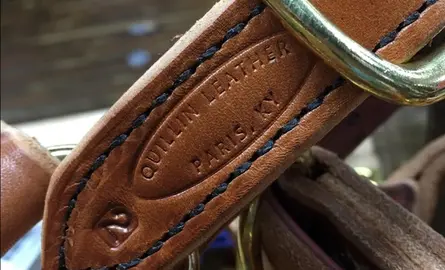
We don't skip that moment. Not once, not on 17,000 pieces a year, not in over forty years of building halters on Main Street in Paris, Kentucky.
## The Hide Has to Earn Its Place
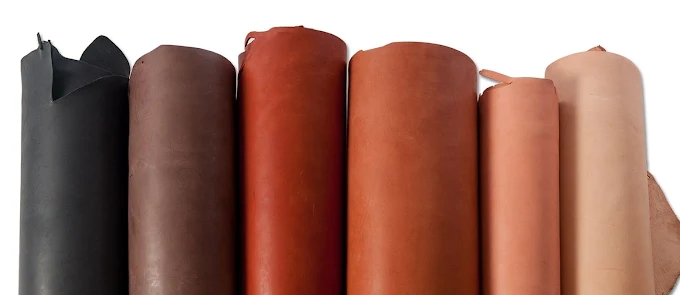
English bridle leather starts life as good raw material, but "English bridle leather" is a category, not a guarantee. Within a single shipment, hides vary — in thickness, in the tightness of the fiber, in how evenly the tannery's grease and wax have worked through the layers. A halter doesn't get the luxury of hiding a flaw. It sits against a horse's face, under a lead shank's constant pull, through rain and sweat and the everyday violence of a herd. Any weak spot in the leather is going to find itself, usually at 6 a.m. when a horse pulls back hard against a hitch rail.
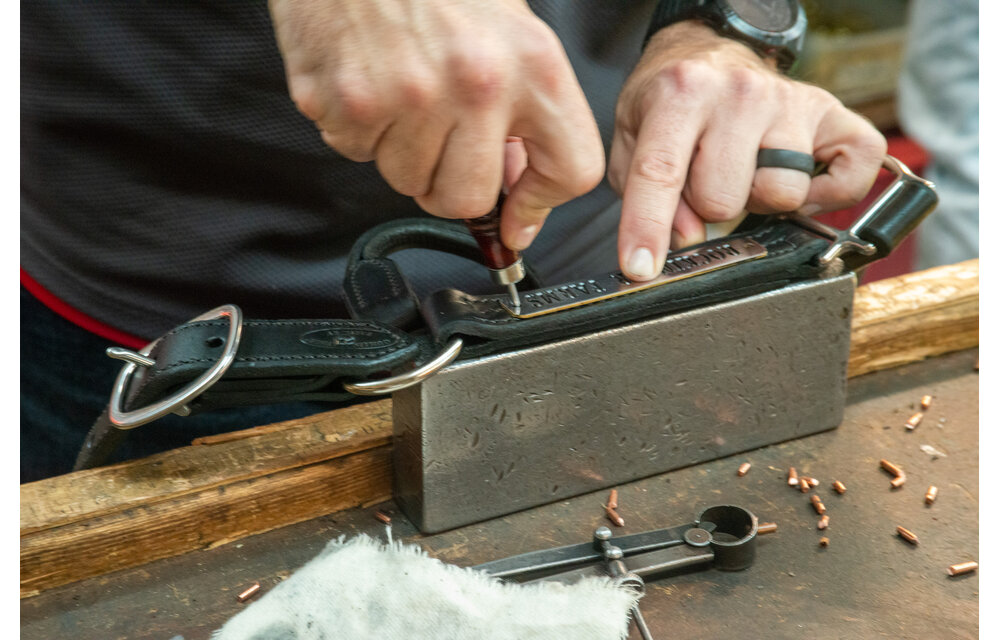
So before a hide becomes a halter, one of our craftsmen goes over it by hand. We're checking for consistent temper across the whole piece — no soft spots, no over-tanned brittleness, no hidden scarring in the grain that would only show up after the leather's been cut, stitched, and put to work. We're feeling for the density that lets bridle leather do what it does best: hold its shape, resist stretch, and burnish instead of crack as it ages.
That's the standard. Not "does this meet spec on paper," but "would I trust this on a horse I care about."
## Why the Stakes Are Different for a Halter
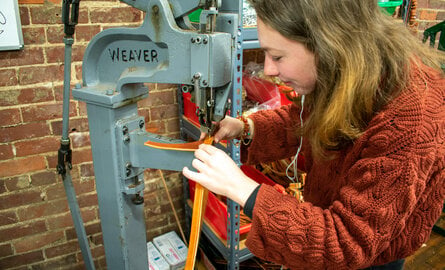
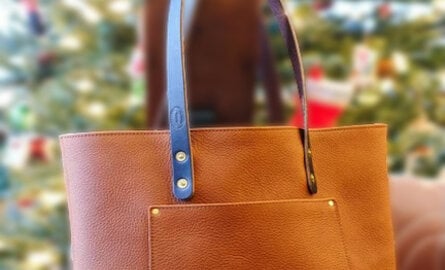
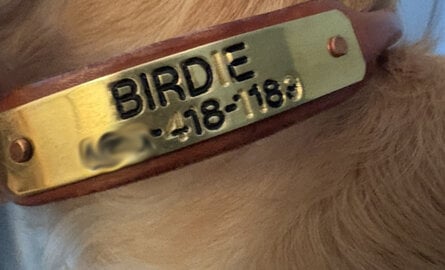
A belt gets worn. A dog collar gets tugged on a walk. Both matter — we hold every piece we make to the same construction standard, hand-cut and stitched on the same century-old Campbell machines with the same English bridle leather. But a halter lives a harder life than either one.
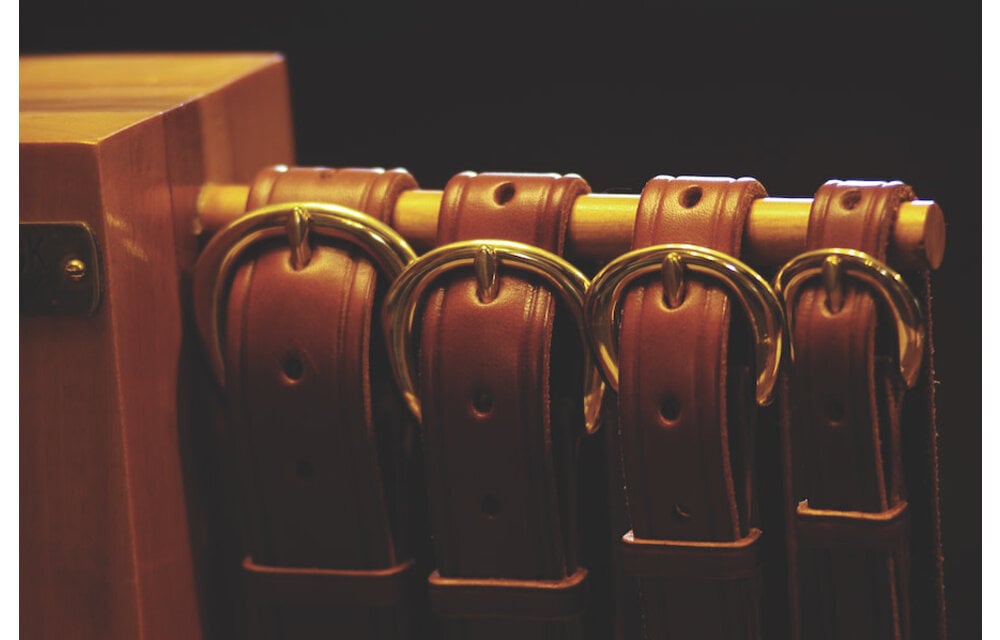
Halters are built for sustained load, not casual wear. A horse leaning into a tie, a young horse testing a lead line, a broodmare who doesn't love the farrier — that's real, repeated stress on the crownpiece, the buckles, the stitching around every ring. The leather has to flex daily without losing its structure, and it has to do it for years, often outdoors, often in weather that would ruin a lesser hide fast.
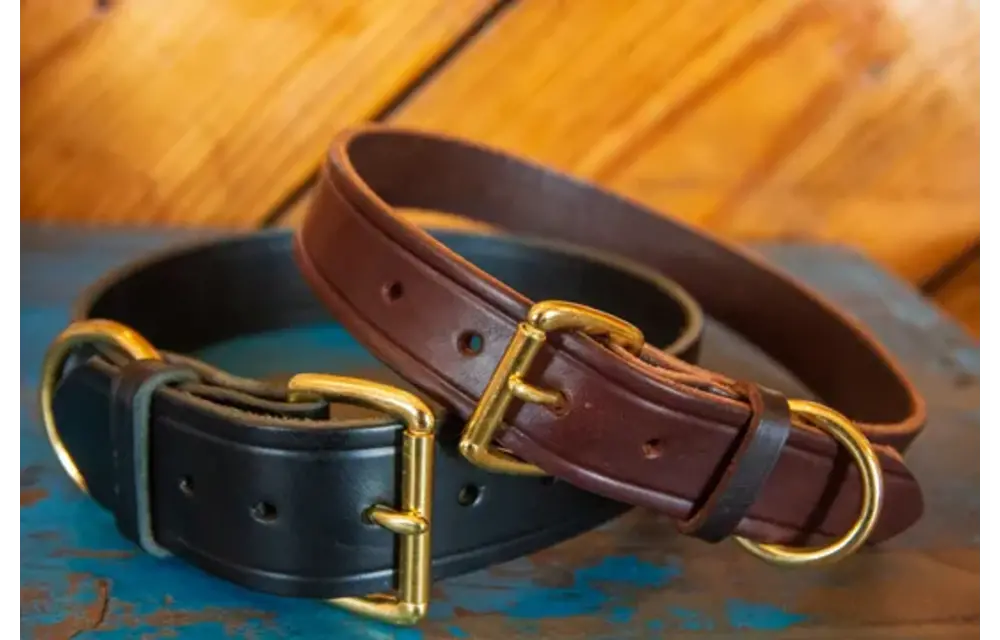
That's why halter leather gets the first look and the strictest cut. We're selecting for the sections of hide with the most even temper and the fewest natural imperfections — often the leather that would otherwise go toward our finest belts, because a halter can't compromise the way a belt occasionally can. The parts of the hide with a little more character, a mark here, a slightly softer patch there, can still make a beautiful belt or a sturdy dog collar. They can't make a halter we're willing to put our name on.
## The Same Leather, a Different Set of Questions
So the difference between a Quillin halter, belt, and dog collar isn't really about different leather — it's about what question we ask of the same leather.
For a halter: *Will this hold up under a thousand pounds of horse, year after year, without failing at the worst possible moment?*
For a belt:*Will this leather age the way good bridle leather should — supple, burnished, better looking in ten years than it is today?*
For a dog collar:*Will this stand up to a dog that pulls, chews, and lives outside as much as in?*
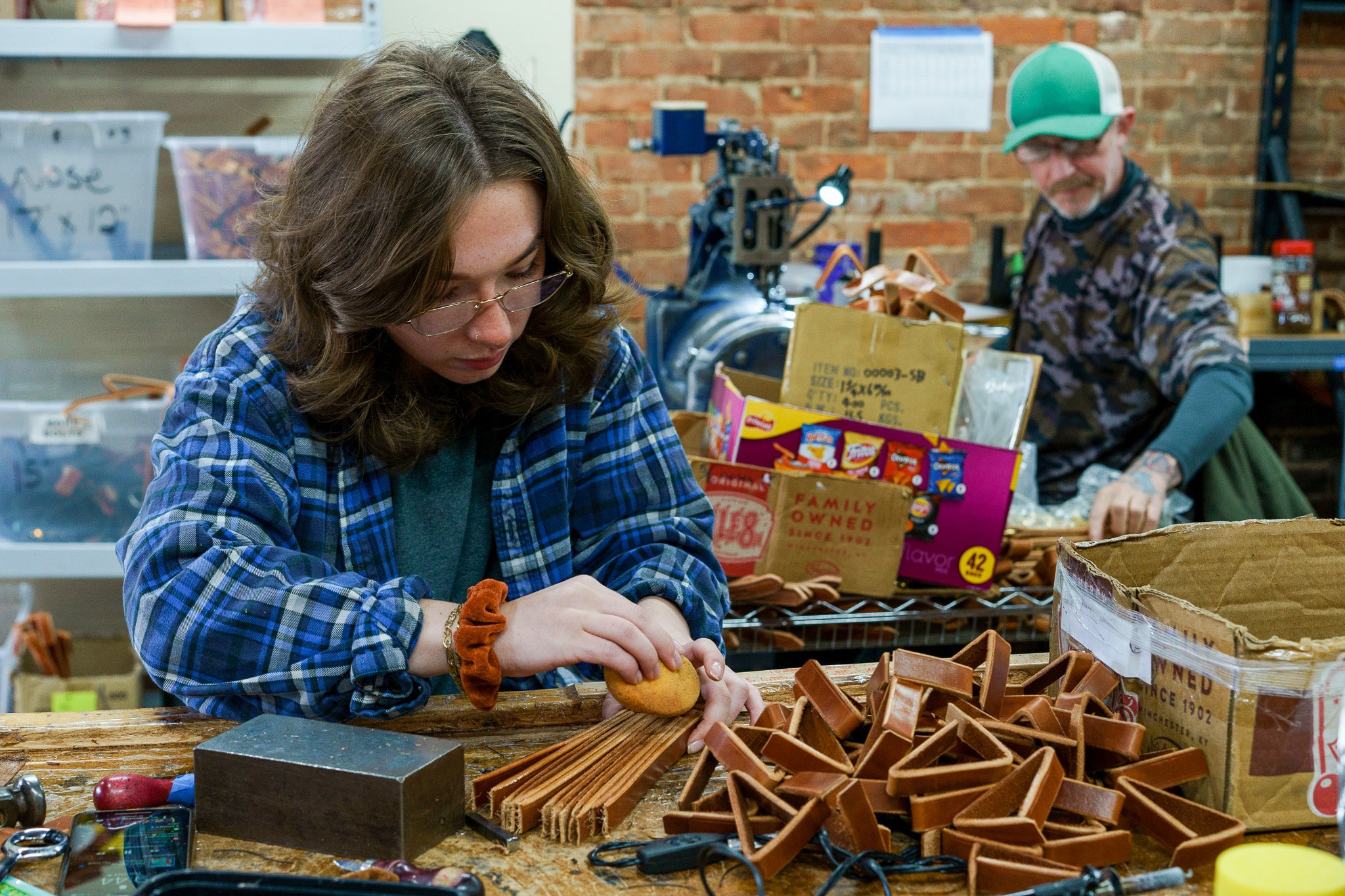
Every one of those questions gets answered by the same hand, at the same cutting table, using the same materials our craftsmen have trusted for four decades. The difference is in what gets selected for what — and that's a judgment you only get from doing this work every day, on machines older than most of us, in a shop that's never stopped being run by hand.
That's the part that doesn't scale, and the part we wouldn't trade for anything that did.
---
*Quillin Leather & Tack has been hand-crafting custom halters, tack, and leather goods in Paris, Kentucky since 1982. Visit us at 716 Main Street or online at [quillin.com](https://quillin.com).*